Social media feeds are saturated with multi-step, complicated skincare routines that promise perfection, but many individuals experience ongoing redness, inflammation, and lackluster results despite investing in expensive product collections.
Skin cycling turns this “more is more” approach on its head by delicately replacing active ingredients with recovery nights, allowing your skin barrier to catch up between treatments. Conceived by dermatologist Dr. Whitney Bowe, this trending method has garnered billions of views on TikTok because it actually works, delivering tangible results without the relentless inflammation of employing strong actives too harshly. The four-night cycle simplifies skincare while maximizing the performance of the products you already own.
Understanding the Skin Cycling Routine Structure
The skin cycling routine follows a simple four-night cycle that repeats throughout the month. Night one is chemical exfoliation to remove dead skin cells and brighten up the complexion. Night two incorporates retinoids to enhance cell turnover and address concerns such as fine lines, acne, or hyperpigmentation. Nights three and four are about recovery, applying only soothing hydrators and barrier-repair products that allow your skin to repair its protective layer without stress from active ingredients.
The basic four-night cycle breakdown:
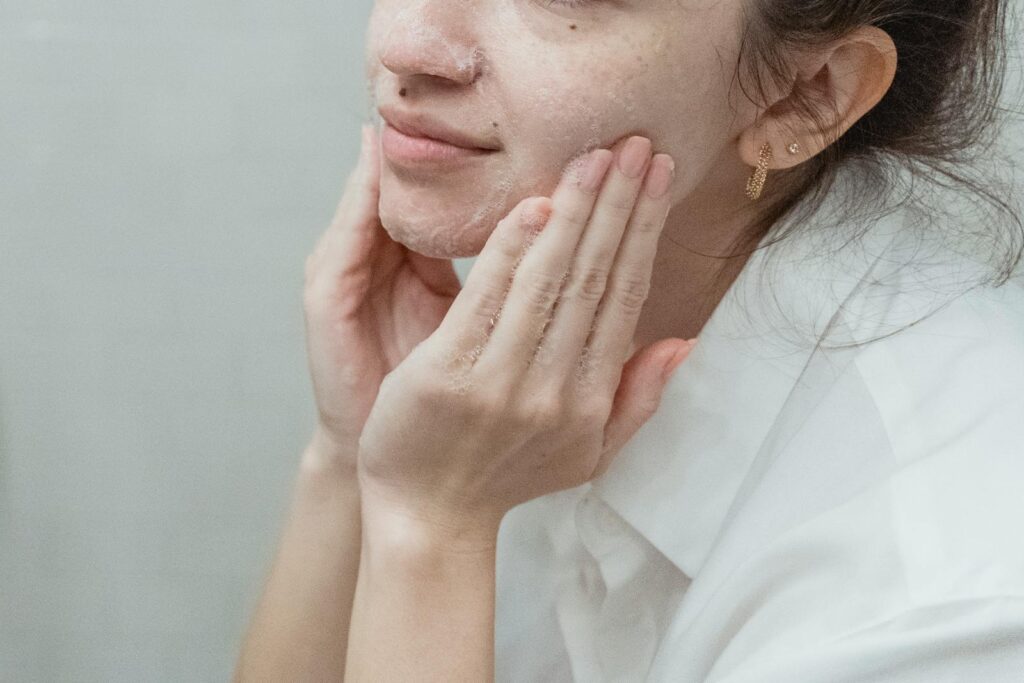
- Night 1: Chemical exfoliation using a product with AHAs or BHAs instead of harsh physical scrubs
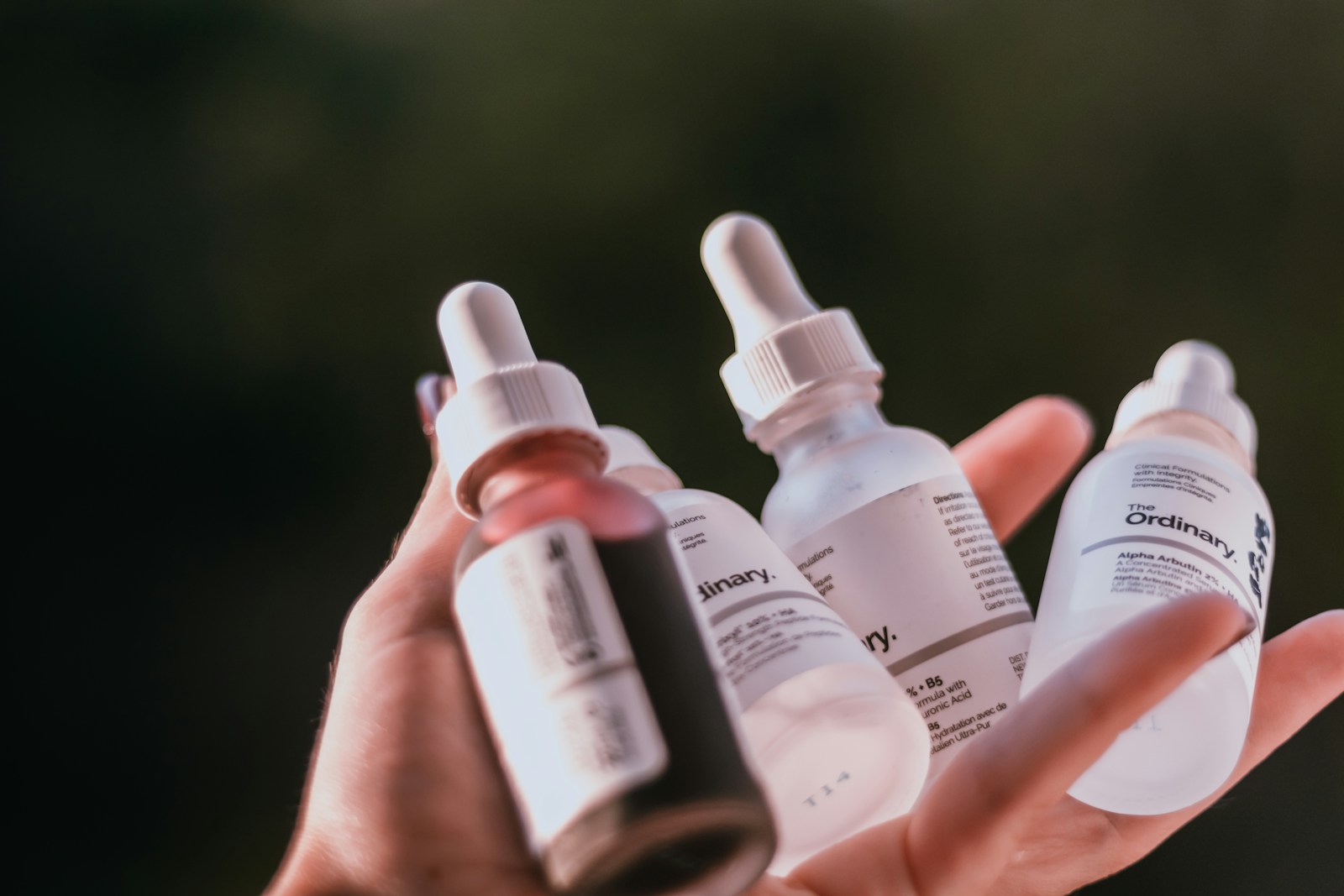
- Night 2: Applying products that contain retinol, tretinoin, or adapalene based on your skin sensitivity
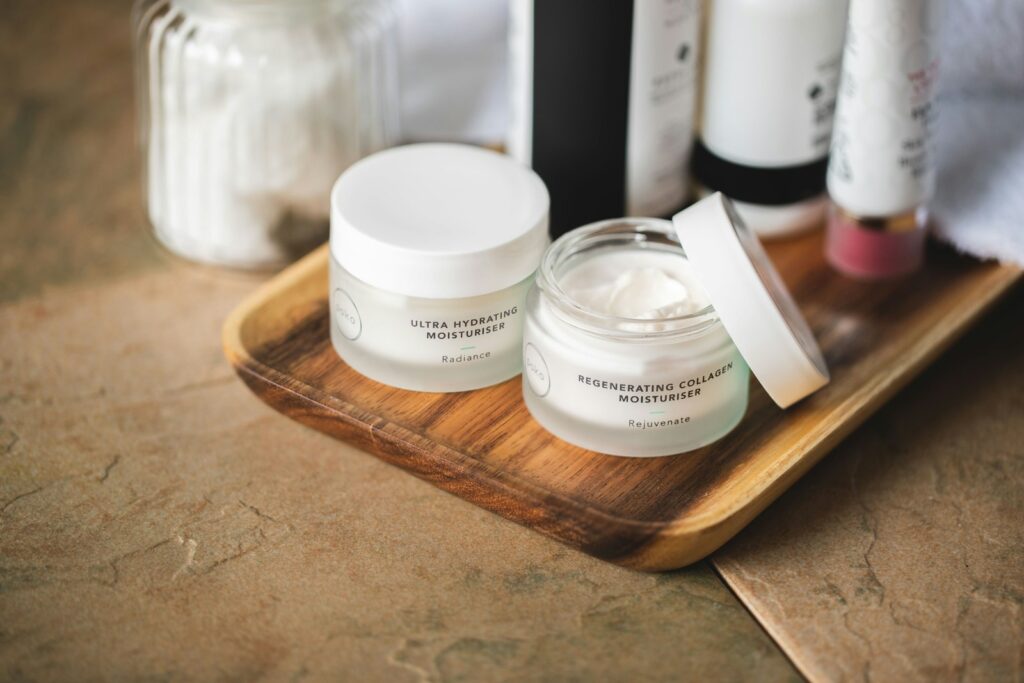
- Nights 3-4: Recovery using hydrating serums, moisturizing moisturizers, and barrier-repairing components like ceramides
This routine avoids the layering of incompatible actives or frequent repetition of aggressive ingredients. Irritation is created in most situations not by products in isolation but by layering or excessive use without recovery time.
Read More: The 7 Skincare Steps Dermatologists Actually Recommend
How to Do Skin Cycling While Avoiding Irritation
How to do skin cycling safely involves matching the intensity to your skin’s tolerance level at the present time. Newbies or those with sensitive skin types should start with lower percentages—delicate lactic acid on exfoliation nights and low-percentage retinol on retinoid nights. Use products on fully dry skin, as wet skin can heighten penetration and increase the risk of irritation. Always counteract actives with a good moisturizer to maintain barrier function, even on treatment nights.
Dr. Whitney Bowe created skin cycling after treating thousands of patients who made the same mistake, skipping recovery nights and mixing incompatible ingredients at high concentrations. Many experienced prolonged redness, thinking their skin was “purging” when, in fact, they were damaging their barrier through overuse. After implementing skin cycling, most patients showed reduced redness, sensitivity, and improved hydration within two complete cycles.
Be aware of warning signs that indicate you may need gentler products or a second recovery night, such as persistent stinging, over-drying, increased breakouts, or a tight, uncomfortable feeling. In the event of irritation, consider adding an extra recovery night or temporarily reducing the active ingredient strength.
Read More: The Best Supplements for Hair, Skin, and Nails
Ready to Transform Your Skincare Results
Skin cycling proves that smart simplicity trumps noisy complexity when it comes to creating an effective skincare regimen. Begin with the straightforward four-night cycle, starting with chemical exfoliants on night one, retinoids on night two, and hydrating recovery products on nights three and four. Use weaker concentrations first and gradually build up based on your skin’s tolerance rather than rushing right into high-strength actives.
Select your retinoid and exfoliant, schedule your first cycle to start tonight, and hold yourself accountable to completing two full cycles before judging the results. Your skin barrier will thank you for the scheduled recovery time.
Read More: Makeup for Zoom Calls: Looking Polished in 5 Minutes