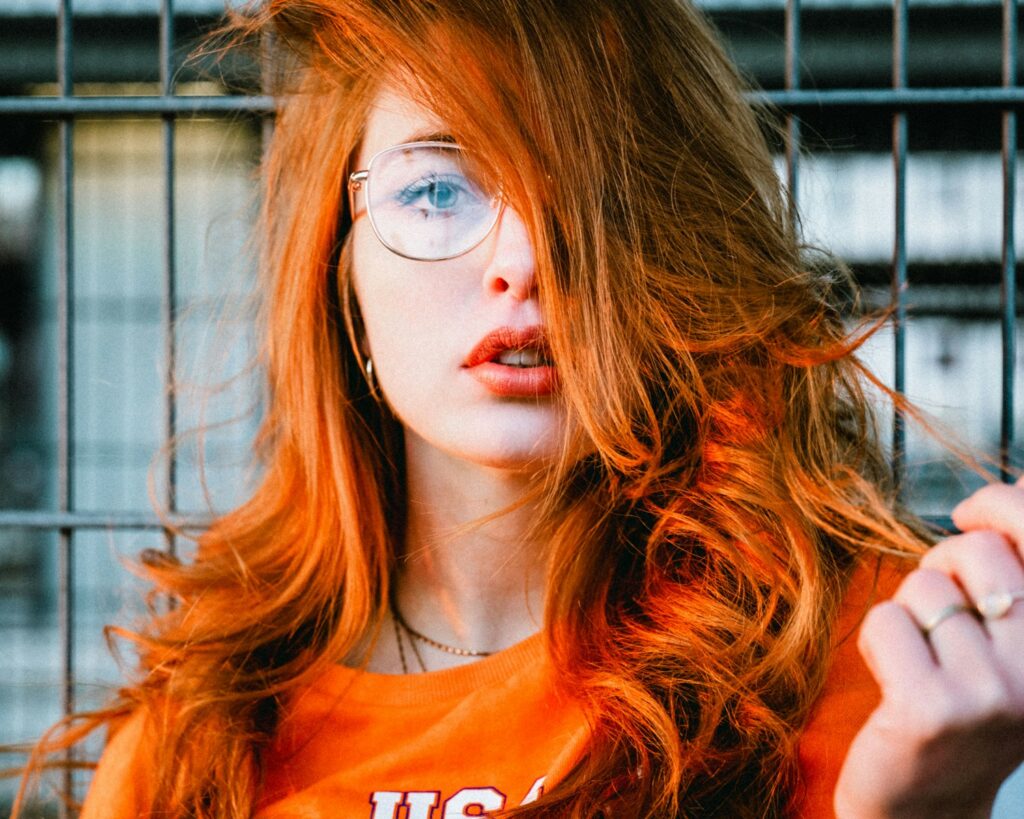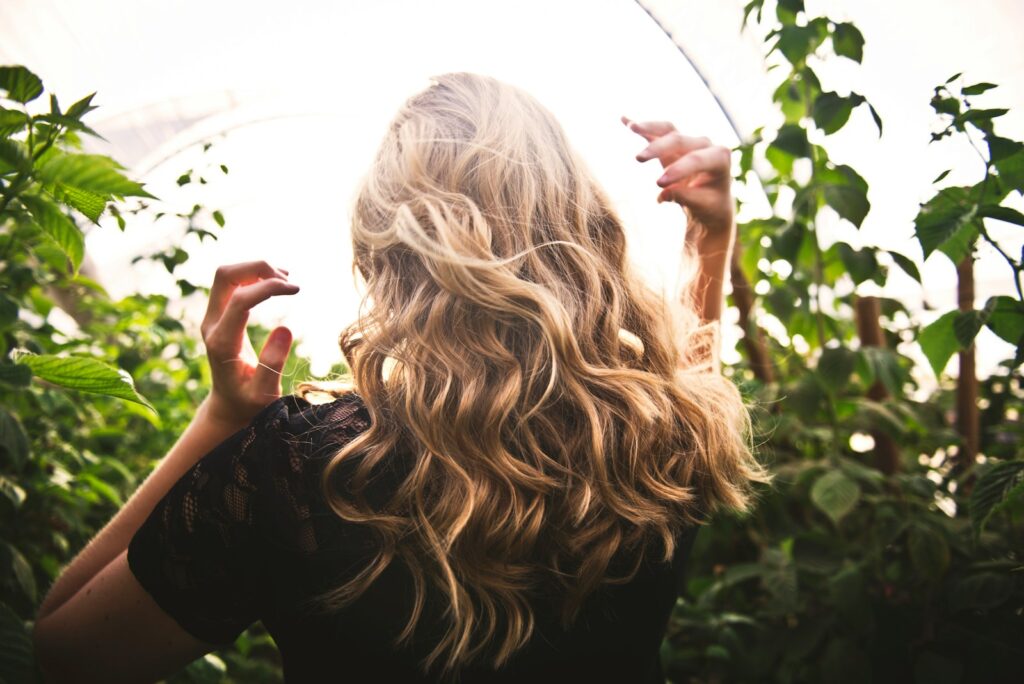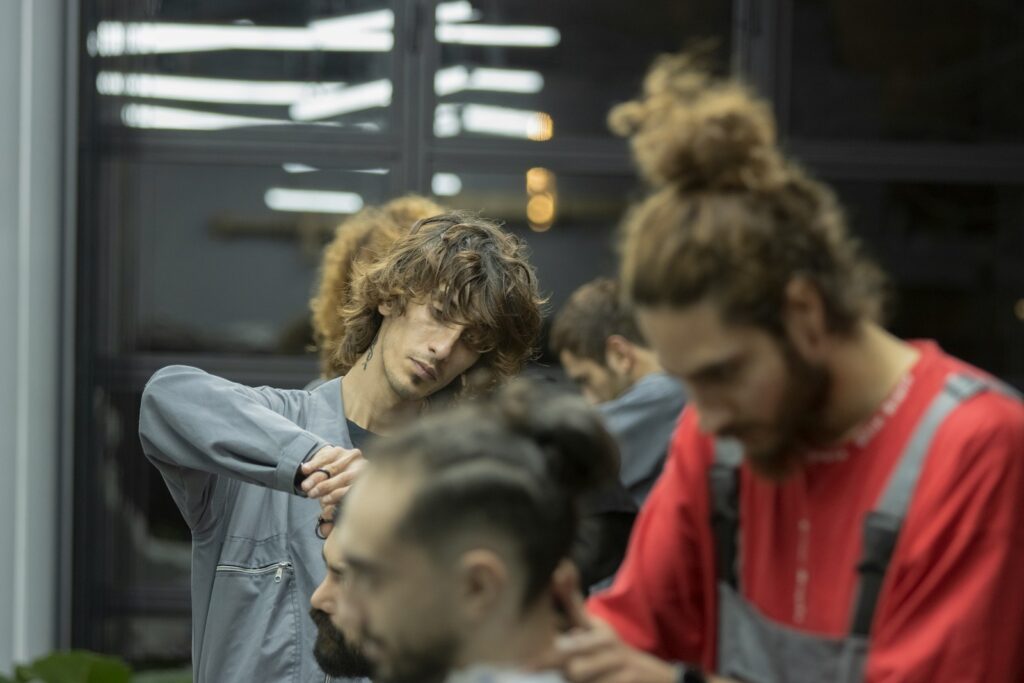
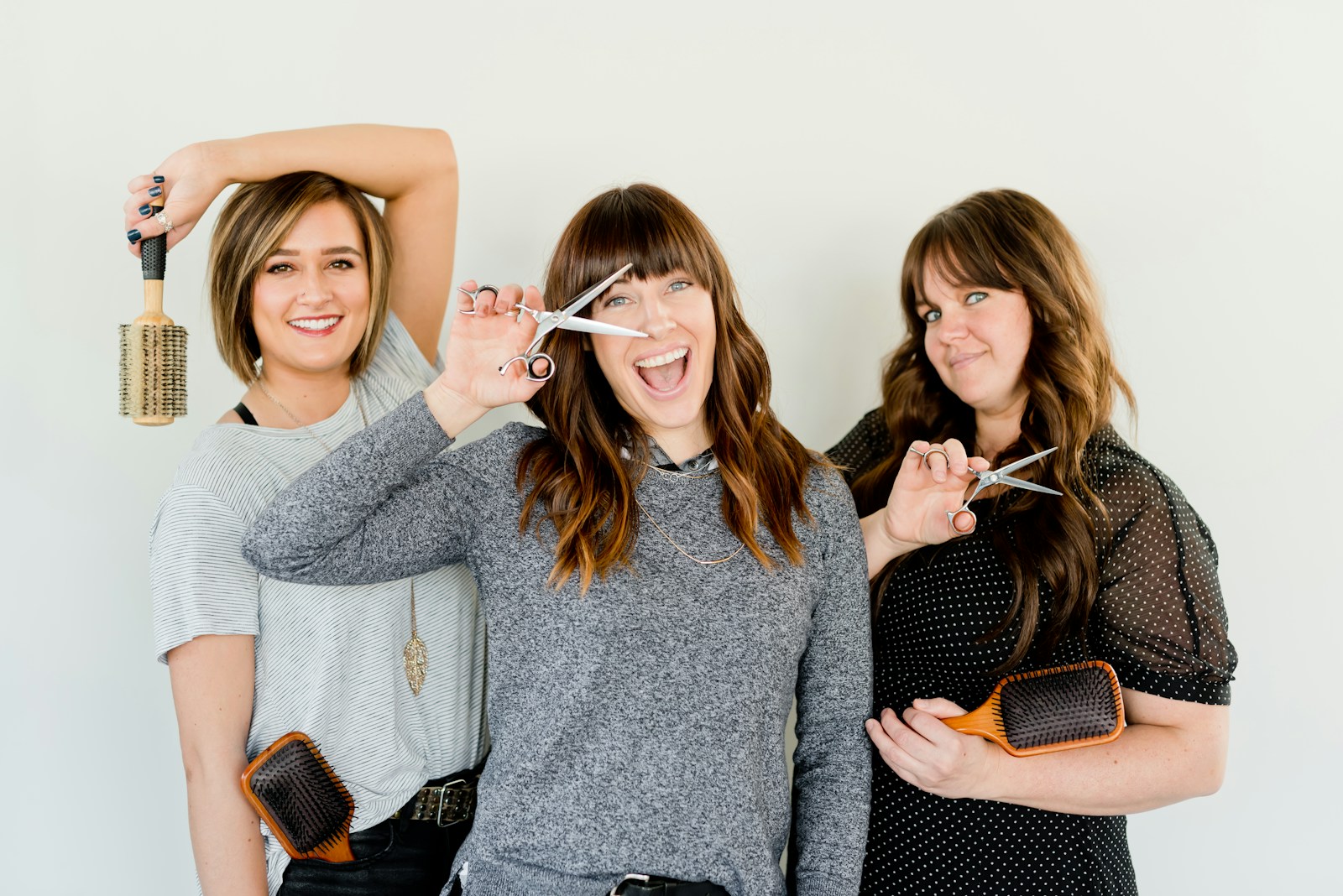
A haircut is never just about the hair. Whether it’s a subtle trim, a dramatic chop, or a bold new style, changing your hair can feel like hitting a reset button.
Changing your hairstyle is not only a physical transformation but also a deeply emotional and psychological one. That’s why so many people turn to the salon during significant life changes, because altering your look often symbolizes something bigger.
Hair as Identity
Hair is one of the most visible expressions of identity. From length and color to texture and style, it communicates personality, mood, and even cultural background. A new cut can signal growth, independence, or a desire for reinvention.
It’s no wonder people often say, “I need a change,” when booking a salon appointment—your hair is an easy and powerful way to show the world who you are and who you’re becoming.
The Emotional Reset
There’s a reason people cut their hair after breakups, career changes, or milestone birthdays. A haircut offers a tangible way to process emotions and create closure.
Shedding hair can feel like shedding old baggage—a way of literally cutting ties with the past. The fresh look provides not only a physical change but also a mental boost, signaling a new chapter and inviting renewed confidence.
The Confidence Factor
The psychological lift from a haircut is real. When you look good, you feel good, and that confidence radiates into other areas of life. A flattering haircut can enhance self-esteem, encourage bolder fashion choices, and even influence professional interactions.
A changed hairstyle is a small act of self-care that delivers significant returns in self-assurance and energy.
Cultural and Social Meanings of Hair
Throughout history, hair has carried cultural, social, and even spiritual significance. In many traditions, cutting or altering hair is tied to rites of passage, mourning, or renewal.
Today, these cultural roots still resonate, whether consciously or not, when we decide to change our look. That’s why a haircut can feel like more than just a style decision; it connects to a more profound sense of belonging and identity.
Read More: 10 Hair Myths Stylists Wish You’d Stop Believing
Hair and the Brain Connection
Psychologists have noted that physical changes, such as haircuts, can affect brain chemistry. Looking in the mirror and seeing a “new you” can trigger the release of dopamine, leading to feelings of excitement and satisfaction.
This neurological boost explains why even a small trim can brighten your mood and increase motivation, reinforcing the emotional impact of self-care rituals.
Haircuts as Acts of Courage
Trying a bold style or stepping out of your comfort zone with a new haircut often requires courage. It’s a way of practicing bravery in a safe space—something that can translate into greater confidence outside the salon. Taking that leap reminds you that change, while scary, can be empowering and liberating.
Why It Feels Transformative
At its core, a haircut symbolizes personal autonomy and self-expression. It’s one of the few quick, controllable changes we can make to alter how we’re perceived and how we perceive ourselves.
In a world where many things are outside our control, changing your hair reminds you that you hold power over your own image and narrative. That simple act of transformation can be incredibly empowering.